
For years I owned a camera I didn’t really know how to use ….
It’s an old Canon EOS 70D — a good camera, better than I deserved given how I treated it. I never had the time, the experience, or the understanding to use it properly: what the settings actually meant, how they fit together, why you’d choose one over another. So I shot everything on automatic, attempted to edit (that I also had no idea about all the time to learn), and eventually put it on the shelf to collect dust.
What changed sounds strange, and I’ll admit it’s a delicate thing to write about ….
I started using Google Gemini, and somewhere in that I worked out what kind of photos I’d been wanting to take all along — and why I’d never managed to. The gap wasn’t taste. It was that I didn’t have the skill, or the time, to sit and test every setting until it clicked. What I wanted was simple: to shoot in the right format, get it right in-camera, and skip the editing step I’d never find time for, so I could just carry the camera around site visits, around Tasmania, and actually use it.
So I asked. I got patient, step-by-step help understanding my own camera, set up a few presets that suited the way I shoot, and that was the foothold I’d been missing. I won’t pretend it made me a better amateur photographer — practice does that, and I’m only at the start of mine. But it got me practising. Since then the 70D has been on me every day, and I’ve shot more in the last while than I have in years.
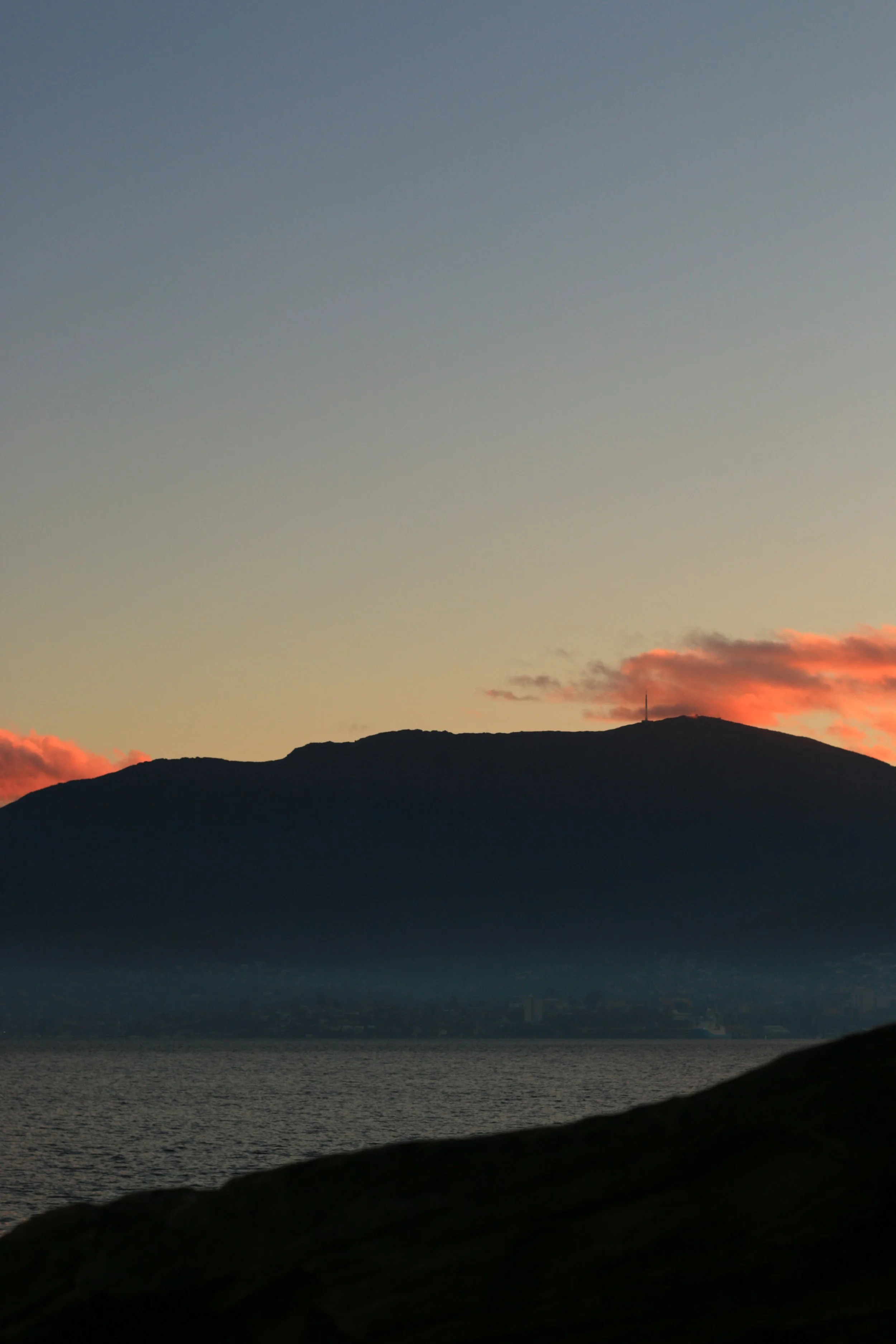
I know the worry, too. The tool everyone’s nervous about — the one we’re told is coming for creative work — is the same one that handed me the stepping stones back to photography, a craft I’d quietly given up on. I don’t think that settles the bigger debate, and I won’t pretend it does. But it’s what happened to me, and it felt honest to write down.